
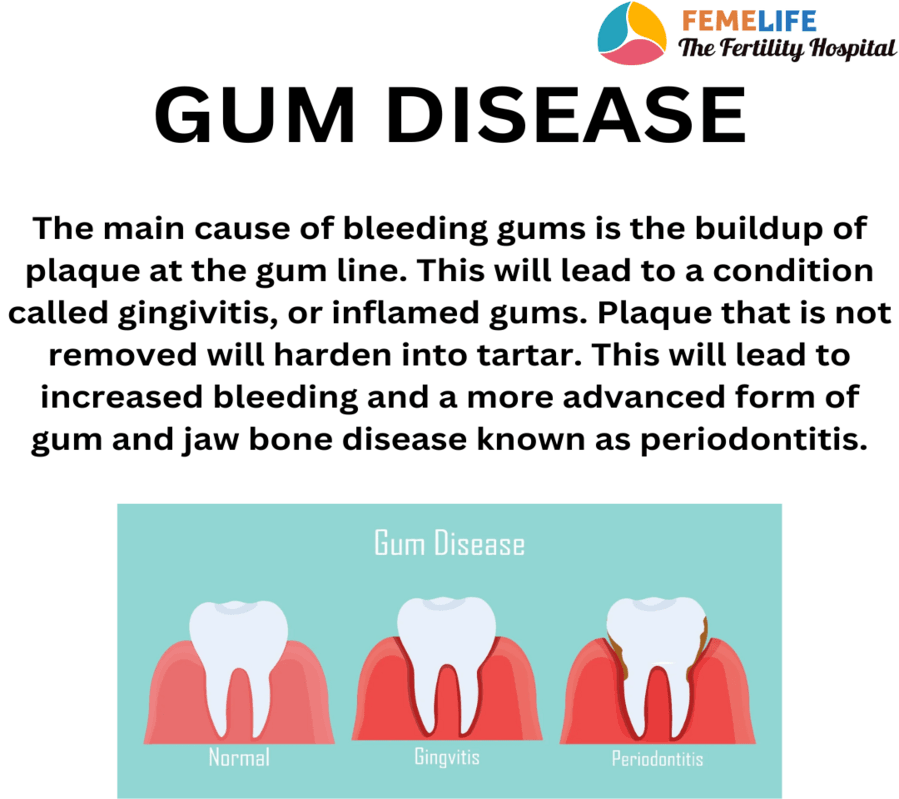
What is periodontal disease?
Periodontal disease, often known as gum disease, is an infection and inflammation of the tissues that support your teeth. Gum disease can be caused by poor dental hygiene. However, even with adequate brushing and flossing, some people are more prone to this problem than others.
How common is periodontal disease?
Gum disease affects over half of all individuals in the United States. It is the most common cause of tooth loss.
What are the symptoms of periodontal disease?
Periodontal disease symptoms may include:
- Gums that are reddish or purplish in colour.
- Bleeding.
- Soreness.
- Halitosis (bad breath).
- Unpleasant taste.
- Chewing causes pain.
- Gum recession (when your gums slip away from your teeth).
- Teeth that are loose.
- A shift in how your teeth fit together.
Periodontal disease stages
- Gingivitis
- Mild periodontitis.
- Moderate periodontitis
- Advanced periodontitis.