
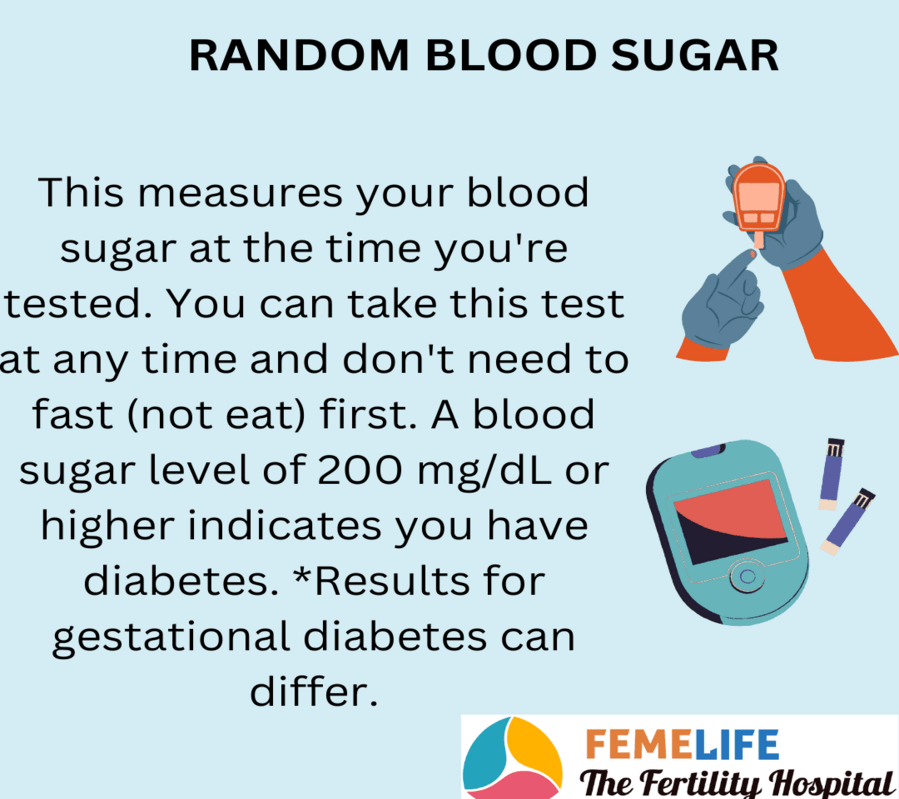
What is random glucose testing?
A person’s blood glucose levels are measured randomly throughout the course of the day. Blood sugar is another name for blood glucose.
It is helpful for those who require a prompt diagnosis, like those with type 1 diabetes who urgently need additional insulin.
How does the test work?
Sugar comes in the form of glucose. Every cell in the body, including those in the brain, heart, and muscles, is powered by it, which is the body’s main energy source.
Glucose is primarily obtained through the food and beverages we consume. Additionally, the body converts glycogen, a sort of carbohydrate storage, into glucose.
The body works nonstop to maintain optimal levels of blood glucose. To do this, it creates a hormone called insulin, which facilitates the entry of glucose into the cells that require it for energy.
The doctor would often request a follow-up test to confirm the diagnosis if the results show that the patient’s glucose levels are higher than predicted. This may consist of:
Fasting glucose test: This checks the blood sugar levels eight hours after the subject last ate or drank. This examination is typically done by a doctor in the morning before breakfast.
Oral glucose tolerance test (OGTT): Diabetes can sometimes be present even when a person’s fasting or random glucose test results are normal. An OGTT may be advised if a doctor still has diabetes-related concerns. Additionally, a person must fast for eight hours prior to the test. The person ingests a glucose-containing beverage after providing a preliminary blood sample. Over the next two hours, the doctor draws additional blood samples hourly.