
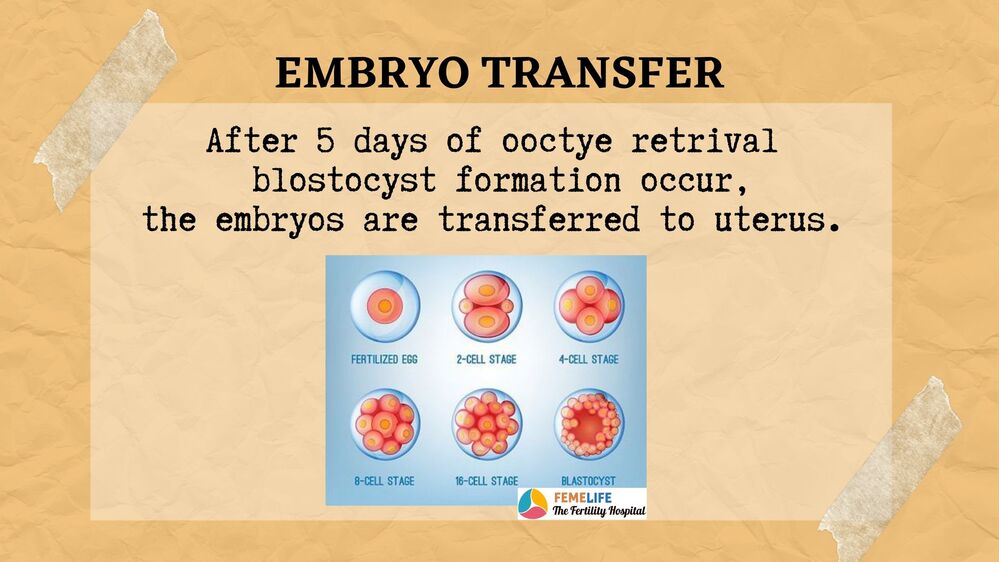
What Is Embryo transfer?
There are two kinds of embryo transfers
Fresh embryo transfer: A fresh embryo transfer involves inserting your embryo into your uterus between three and seven days after the egg retrieval operation. This embryo has not been frozen and is hence “fresh.”
Frozen embryo transfer: Frozen embryos (from a previous IVF cycle or donor eggs) are thawed and put into your uterus during a frozen embryo transfer. This is a more prevalent practice for logistical reasons and because it results in a more likely live birth. Transferring frozen embryos can happen years after egg retrieval and fertilization.
When using fresh embryos, the procedure is similar, except that embryo transfer occurs within three to five days of retrieval.
Key factors during embryo transfer
The key factors in achieving IVF success depends on the embryo transfer technique. Your doctor will focus on avoidance of uterine contractility during the embryo transfer. Before IVF proper evaluation of the uterine cavity is important. During embryo transfer removal of cervical mucus may add to success. Finally, proper insertion of catheter delivering the embryos inside the uterine cavity is crucial for IVF success.
What is single embryo transfer?
Single embryo transfer is a procedure in which one best embryo, is placed in the uterus. The embryo selected for transfer might be a cryopreserved embryos (frozen)) or from the current fresh IVF cycle. The remaining embryos may be set aside for future use or cryopreservation.
Does sleeping position affect implantation?
The answer is no, sleeping positions don’t affect implantation. In fact, patient should be encouraged to sleep peacefully and change positions according to her comfort.