
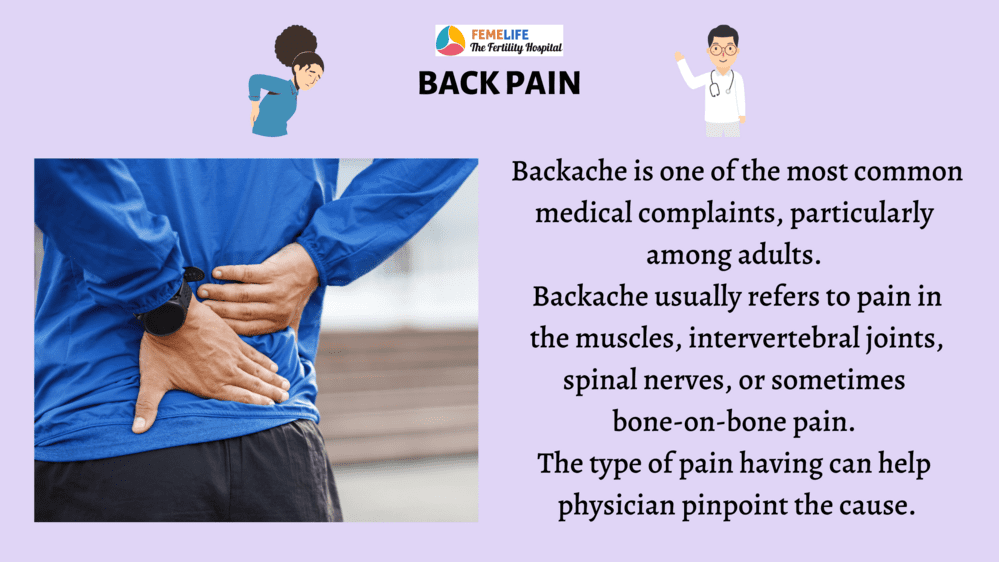
What is lower back pain?
Low back pain can be caused by a variety of injuries, ailments, or diseases, the most common of which is an injury to the back’s muscles or tendons.
The intensity of pain can range from minor to severe. In certain circumstances, discomfort makes it difficult or impossible to walk, sleep, work, or perform daily tasks.
Rest, pain medications, and physical therapy (PT) can help with lower back pain. Cortisone injections and hands-on treatments (such as osteopathic or chiropractic manipulation) can help with pain relief and healing. Some back injuries and diseases necessitate surgical intervention.
How common is lower back pain?
Four out of every five people will experience lower back discomfort at some point in their lives. It’s one of the most prevalent reasons people seek medical attention.
Some people are predisposed to lower back pain more than others. Lower back pain risk factors include:
- Age: Back discomfort is more common in people over the age of 30. Discs (the soft, rubbery tissue that cushions the spine’s bones) deteriorate with age. Pain and stiffness might occur as the discs deteriorate and wear down.
- Weight: People who are overweight or obese are more likely to suffer from back pain. Excess weight places strain on joints and disks.
- Overall health: Weak abdominal muscles cannot support the spine, resulting in back strains and sprains. People who smoke, drink excessively, or lead a sedentary lifestyle are more likely to suffer from back discomfort.
- Occupation and lifestyle: Heavy lifting and bending jobs and hobbies might raise the risk of a back injury.
- Structural problems: Conditions that alter spine alignment, such as scoliosis, can cause severe back discomfort.
- Disease: People with a family history of osteoarthritis, certain types of cancer, and other diseases are more likely to suffer from low back discomfort.
- Mental health: Depression and anxiety can cause back discomfort.
What are the symptoms of lower back pain?
Lower back pain symptoms might arise suddenly or gradually. Pain can arise as a result of a specific event, such as bending to pick something up. Sometimes you don’t know what triggered the agony.
- Stiffness: It may be tough to move or straighten your back. Getting up from a seated position may take a while, and you might feel like you need to walk or stretch to loosen up. You may notice decreased range of motion.
- Posture problems: Many people who suffer from back discomfort find it difficult to stand up straight. Standing “crooked” or bent, with your torso off to the side rather than aligned with your spine, is possible. Your lower back may appear flat rather than bent.
- Muscle spasms: Muscles in the lower back can spasm or contract involuntarily after a strain. Muscle spasms can produce excruciating discomfort and make standing, walking, and moving difficult or impossible.