
Embryo Transfer
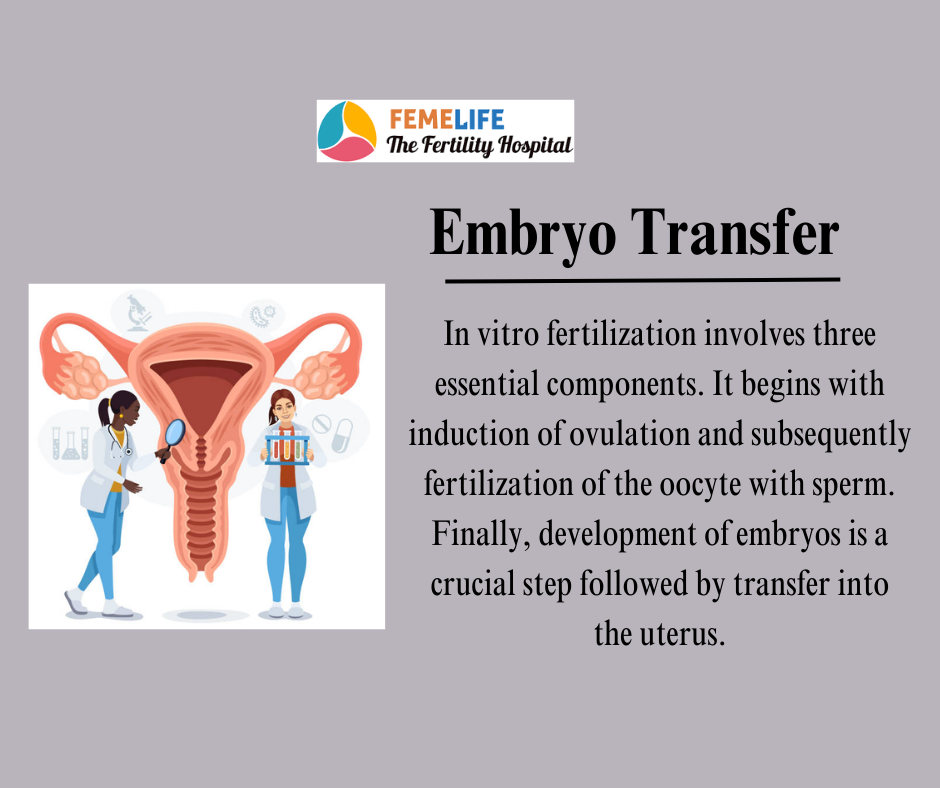
IVF procedure will take you through different steps. In vitro fertilization involves three essential components. It begins with induction of ovulation and subsequently fertilization of the oocyte with sperm. Finally, development of embryos is a crucial step followed by transfer into the uterus.
This IVF process is monitored by both the use of ultrasound and estradiol levels. Ultrasound indicates the number of oocytes that will be available for capture. Estradiol tells us about the quality of those oocytes.
What are the problems during embryo transfer?
Embryo transfer is routinely carried out using the transcervical route, which is basically a blind technique, associated with multiple potential negative factors that can result in total failure of the whole procedure. These potential negative factors include:
- initiation of uterine contractility that may lead to an immediate or delayed expulsion of the embryos.
- the presence of cervical mucus that can plug the tip of the catheter or entangle the embryos and drag them out during withdrawal of the catheter.
- proper placement of the embryos into the uterine cavity may not be achieved due to failure to pass the catheter through the internal os. This can be due to acute utero–cervical angulation, cervical stenosis or anatomical distortion of the cervical canal.