
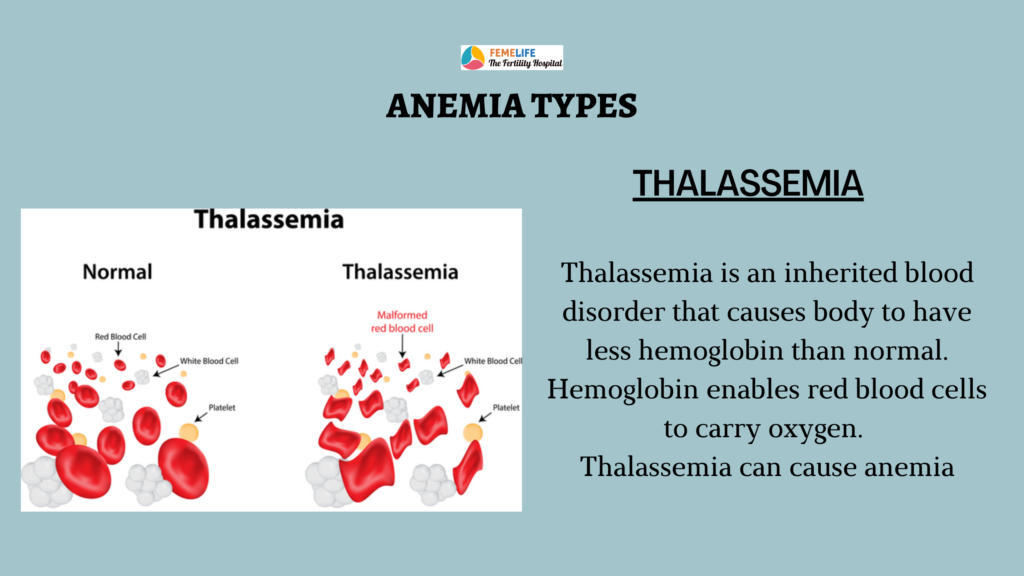
What is thalassemia?
Thalassemia (pronounced thal-uh-SEE-me-uh) is a genetic blood condition. It impairs your body’s capacity to generate normal haemoglobin. Haemoglobin is a protein that is found in red blood cells. It enables red blood cells to transfer oxygen throughout your body, nourishing other cells.
Your body generates fewer healthy haemoglobin proteins and your bone marrow creates fewer healthy red blood cells if you have thalassemia.
How does thalassemia affect my body?
Thalassemia can induce mild to severe anemia as well as other issues (such as iron overload) over time. Anemia symptoms include:
- Fatigue.
- Breathing difficulties.
- I’m feeling chilly.
- Dizziness.
- Skin tone is light.
Who is at risk for thalassemia?
The gene mutations that cause thalassemia evolved in humans as partial malaria protection. As a result, thalassemia affects persons with ancestral ties to malaria-endemic regions of the world, such as Africa, Southern Europe, and West, South, and East Asia. Thalassemia is a hereditary disorder, which means it is passed down from one biological parent to their child.