
What is a blastocyst?
A cluster of dividing cells called a blastocyst is produced by a fertilized egg. It’s an embryo in its early stages. A blastocyst is merely one of several steps that lead to pregnancy.
About five to six days after a sperm fertilizes an egg, a blastocyst develops. The blastocyst’s cell layers divide and separate. They eventually evolve into the organs that shelter and support the growing fetus.
For in vitro fertilization (IVF), the blastocyst stage of a fertilized egg is very significant. The procedure of producing an embryo outside of the body of the expectant parent is known as in vitro fertilization (IVF).
What is the purpose of the blastocyst?
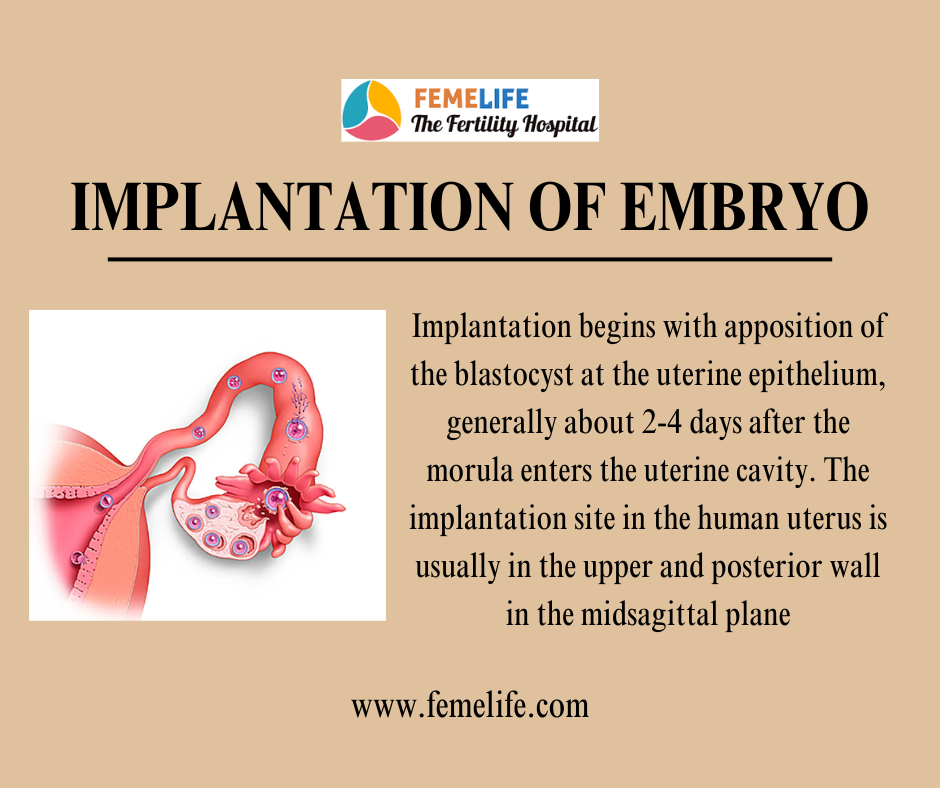
The blastocyst stage is a crucial stage in the development of the embryo and fetus. Pregnancy won’t happen if the blastocyst doesn’t implant in the woman’s endometrium.
Hormones cause a process known as hatching, which is necessary for implantation to take place. The clear outer membrane of the blastocyst is lost. One to three days after a blastocyst reaches their uterus, the egg will hatch.