
What is a vegan diet?
A vegan diet consists of plants (such as vegetables, grains, nuts, and fruits) and plant-based meals.
Vegans do not consume animal products, such as dairy products and eggs.
Healthy eating as a vegan
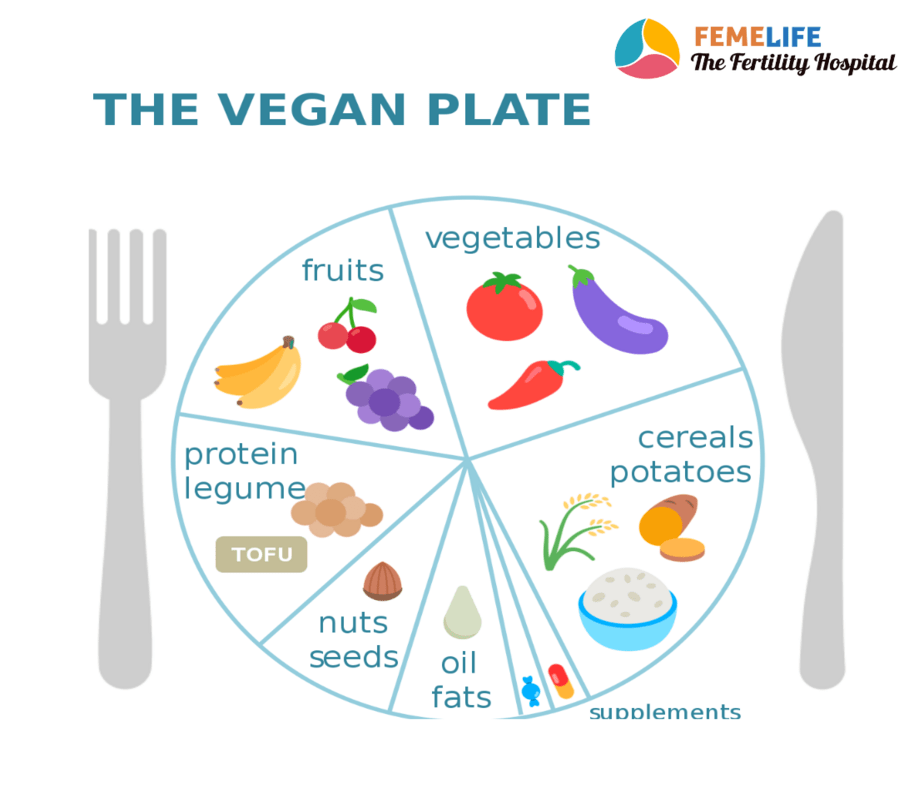
You can get the nutrients you need from eating a varied and balanced vegan diet including fortified foods and supplements.
For a healthy vegan diet:
- Every day, consume at least 5 servings of a variety of fruits and vegetables.
- Meals should be based on potatoes, bread, rice, pasta, or other starchy carbohydrates (preferably wholegrain).
- Have some fortified dairy substitutes on hand, such as soya drinks and yoghurt (choose for lower-fat and lower-sugar versions).
- consume certain legumes, lentils, and other proteins
- Every day, consume omega-3 fatty acid-rich nuts and seeds (such as walnuts).
- Choose unsaturated oils and spreads and consume in moderation.
- have fortified foods or supplements with elements that are more difficult to obtain on a vegan diet, such as vitamin D, vitamin B12, iodine, selenium, calcium, and iron
- Drink enough of fluids (6 to 8 cups or glasses each day, according to the government).
Getting the right nutrients from a vegan diet
You can receive all the nutrients your body requires with careful planning and an understanding of what constitutes a healthy, balanced vegan diet.
If you do not carefully organise your meals, you may be deficient in key nutrients such as calcium, iron, vitamin B12, iodine, and selenium.