
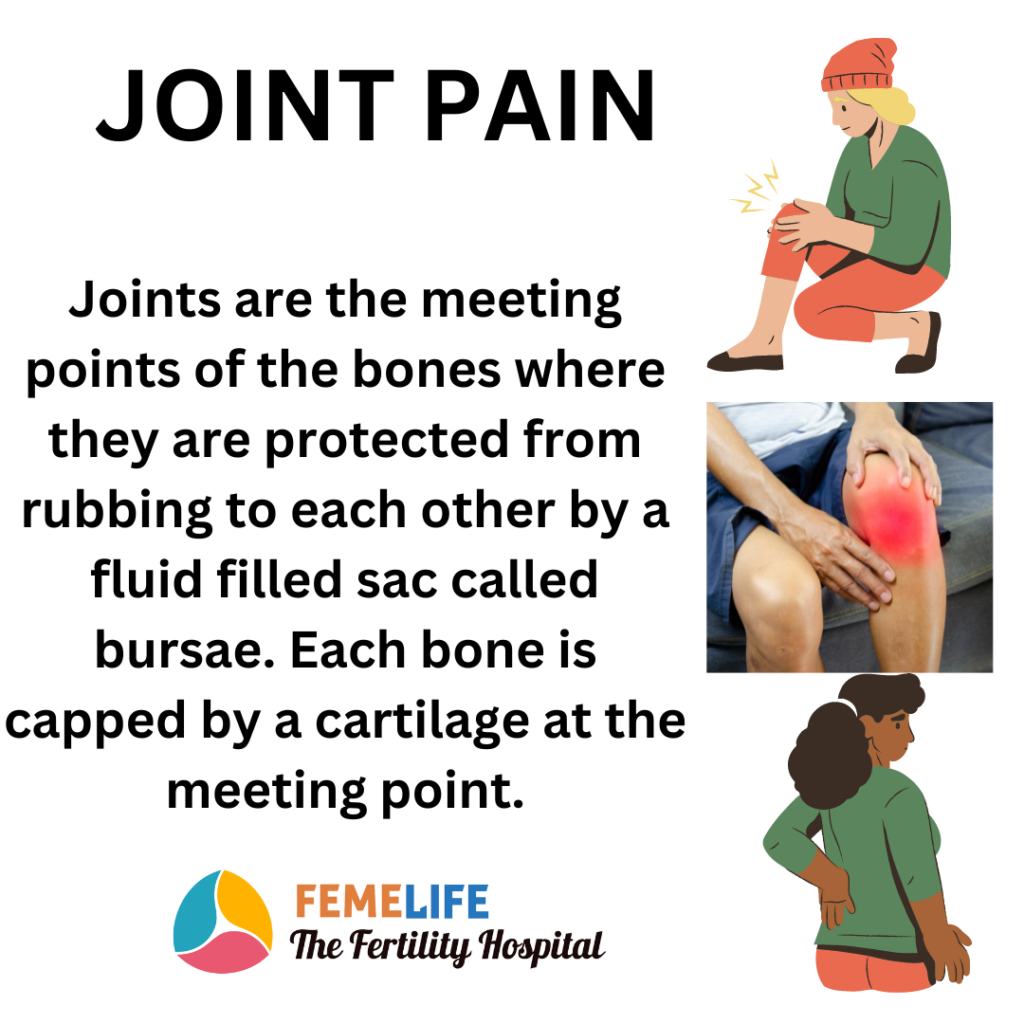
What is joint swelling?
A swollen joint indicates extra fluid in the joint cavity or surrounding tissues around. As a result, the joint appears bigger and there are slight restrictions of movement. The fluid accumulated may be sterile, infected or with particles.
Which joints are affected more often?
Usually, bigger joints are affected as they are involved in weight bearing and frequent movements. Knee, ankle, elbow, shoulder are most often affected. However, it may also affect finger, toe and wrist in certain disease conditions.
But, if there are more fluids than usual in the joint, then appear knee swelling.
Symptoms of joint swelling
Signs and symptoms typically include:
Swelling. The skin around the kneecap can appear like swollen which is noticeably, especially compare to the affected knee to the other one.
Stiffness. When the knee joint contains excess fluid, then the knee might not be able to bend or straighten the leg completely.
Pain. Depending on the development of the fluid buildup, the knee might be more painful to the point that it’s impossible to bear weight on it.
Other symptoms are:
- Difficulty moving the joint
- Fever
- Heaviness in the joint
- Redness
- Stiffness
- Warm skin
Causes of joint swelling
The most common reasons are:
- Infection.
- Inflammation.
- Overuse.
- Trauma.
- Tumor.