
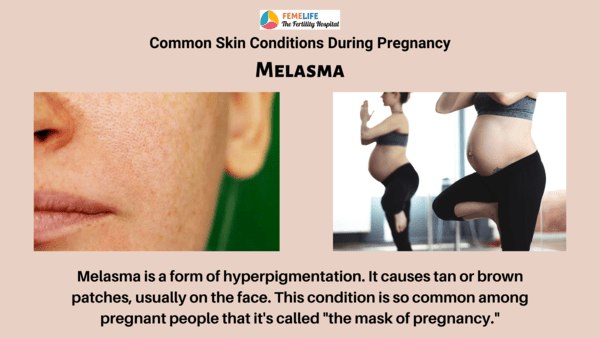
What is melasma and what does it look like?
Melasma is a frequent skin condition. The phrase loosely translates to “black spot.” Melasma is characterised by light brown, dark brown, and/or blue-gray areas on the skin.
They can take the form of flat patches or freckle-like markings. Face, including the cheekbones, upper lip, and forehead, as well as the forearms, are frequently affected.
Melasma is known as the “mask of pregnancy” because it commonly affects pregnant women. Melasma often darkens and lightens over time, worsening in the summer and improving in the winter.
How common is melasma?
Melasma is a frequent skin condition, particularly among pregnant women. It affects 15% to 50% of pregnant women. Melasma affects between 1.5% and 33% of the population, and it occurs more frequently during a woman’s reproductive years and seldom during adolescence. It usually begins between the ages of 20 and 40.
Who is at risk of melasma?
Melasma is less likely to affect those with fair skin than those with darker brown skin or those who tan nicely. Melasma affects women more than males: roughly 10% of melasma patients are men, while 90% are women. Melasma affects pregnant ladies more than anyone else. If you use oral contraceptives or hormones, you are also at risk.
What are the types of melasma?
Melasma is classified into three categories based on the depth of the pigment. To determine the depth of the pigment, use a Wood’s lamp that generates black light. The three types are as follows:
- Epidermal: Epidermal melasma has a dark brown colour, a well-defined border, is visible under black light, and responds favourably to treatment in some cases.
- Dermal: Dermal melasma has a light brown or bluish colour, a hazy border, looks the same under black light, and does not react well to treatment.
- Mixed melasma: The most common of the three is mixed melasma, which contains both bluish and brown patches, a mixed pattern under black light, and some response to treatment.
Is melasma cancerous?
Melasma is not cancer, it is not an indication of cancer, and it is not a skin condition that “turns into” cancer. However, because some skin malignancies might look like melasma, consulting with a dermatologist is often recommended to confirm the right diagnosis.