
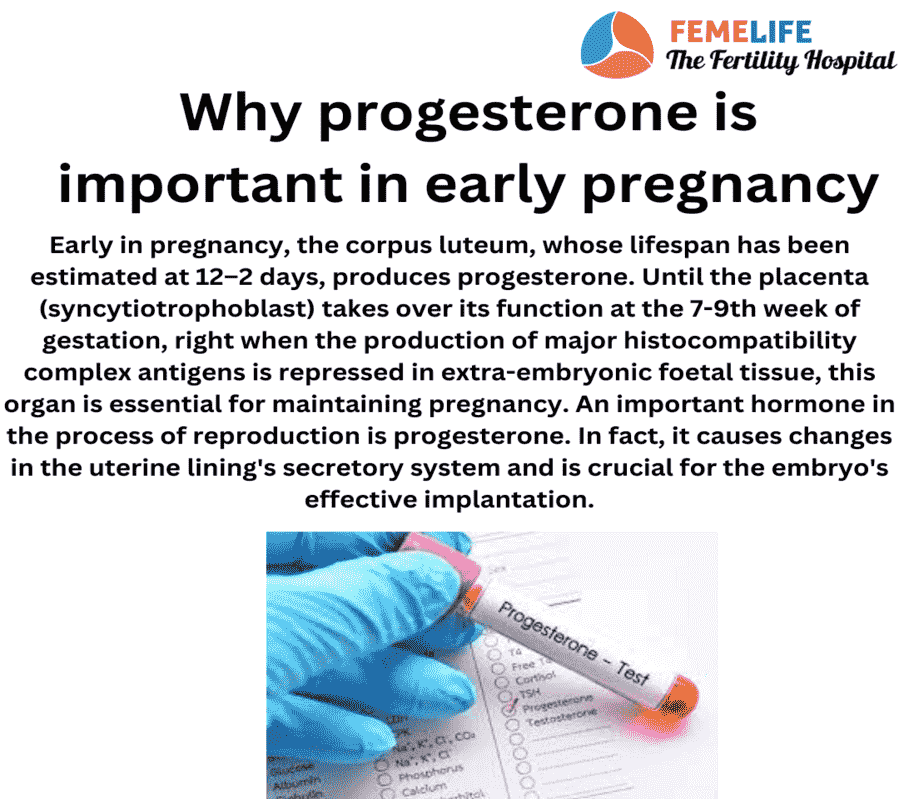
What is progesterone?
Progesterone is a hormone that is essential to your reproductive system. Hormones are chemical messengers that instruct your body on how to function. Progesterone promotes menstruation and the early stages of pregnancy in women and people designated female at birth (AFAB).
What is the main purpose of progesterone?
Progesterone’s primary role is to prepare the endometrium (uterine lining) for implantation and growth of a fertilized egg. If there is no pregnancy, the endometrium sheds throughout your menstrual cycle. When a pregnancy is conceived, progesterone levels rise to support the pregnancy.
What does progesterone do during pregnancy?
Because it thickens the uterine lining, progesterone is essential for pregnancy support. A thick uterine lining aids the development of a fertilized egg into an embryo, and subsequently into a fetus.
During pregnancy, progesterone levels continue to climb. While pregnant, high progesterone levels hinder your body from ovulating. It also prevents preterm labor by suppressing uterine contractions. Finally, progesterone aids in the preparation of your breasts for nursing (chestfeeding).
Because progesterone is so critical in the early stages of pregnancy, low progesterone levels may make it difficult to conceive and increase your chance of miscarriage.
What does progesterone do to my body?
Progesterone does several things, including:
- Thickening the uterine lining in preparation for implantation.
- Menstrual bleeding can be controlled.
- Supporting a pregnancy after fertilization.
- Assisting in the improvement of your mood.
- Thyroid function is supported.
- Lactation support.