
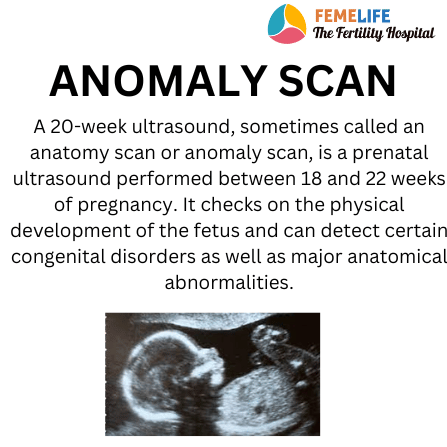
What is the 20-week ultrasound?
A 20-week ultrasound, also known as an anatomy scan or abnormality scan, is a prenatal ultrasound that is performed between weeks 18 and 22 of pregnancy. It monitors the fetus’s physical growth and can detect certain congenital illnesses as well as severe anatomical anomalies.
What is the 20-week anatomy scan looking for?
The following areas will be examined by your provider:
- Heart.
- Brain, neck and spine.
- Kidneys and bladder.
- Arms and legs.
- Hands, fingers, feet and toes.
- Lips, chin, nose, eyes and face.
- Chest and lungs.
- Stomach and intestines.
The ultrasound technician will also:
- Look for irregular rhythms in the fetal heart rate.
- Examine the umbilical cord for blood flow and the location where it connects to the placenta.
- Examine the placenta to ensure that it is not covering your cervix (placenta previa).
- Examine your cervix, uterus, and ovaries.
- Calculate the volume of amniotic fluid.
What conditions can a 20-week ultrasound detect?
An ultrasound at 20 weeks does not detect all congenital problems. However, the scan can aid in the detection of certain critical conditions:
- Anencephaly.
- Indicators for Down syndrome or trisomy 18 and trisomy 13.
- Cleft lip.
- Spina bifida.
- Congenital heart abnormalities.
- Renal agenesis (missing one or both kidneys).
- Skeletal dysplasia (problems with the bones).
- Diaphragmatic hernia (a hole in the diaphragm).